New Horizon Property Mananagment Blog
What North Dakota landlords should review before January: leases, rents, maintenance, taxes, and more.
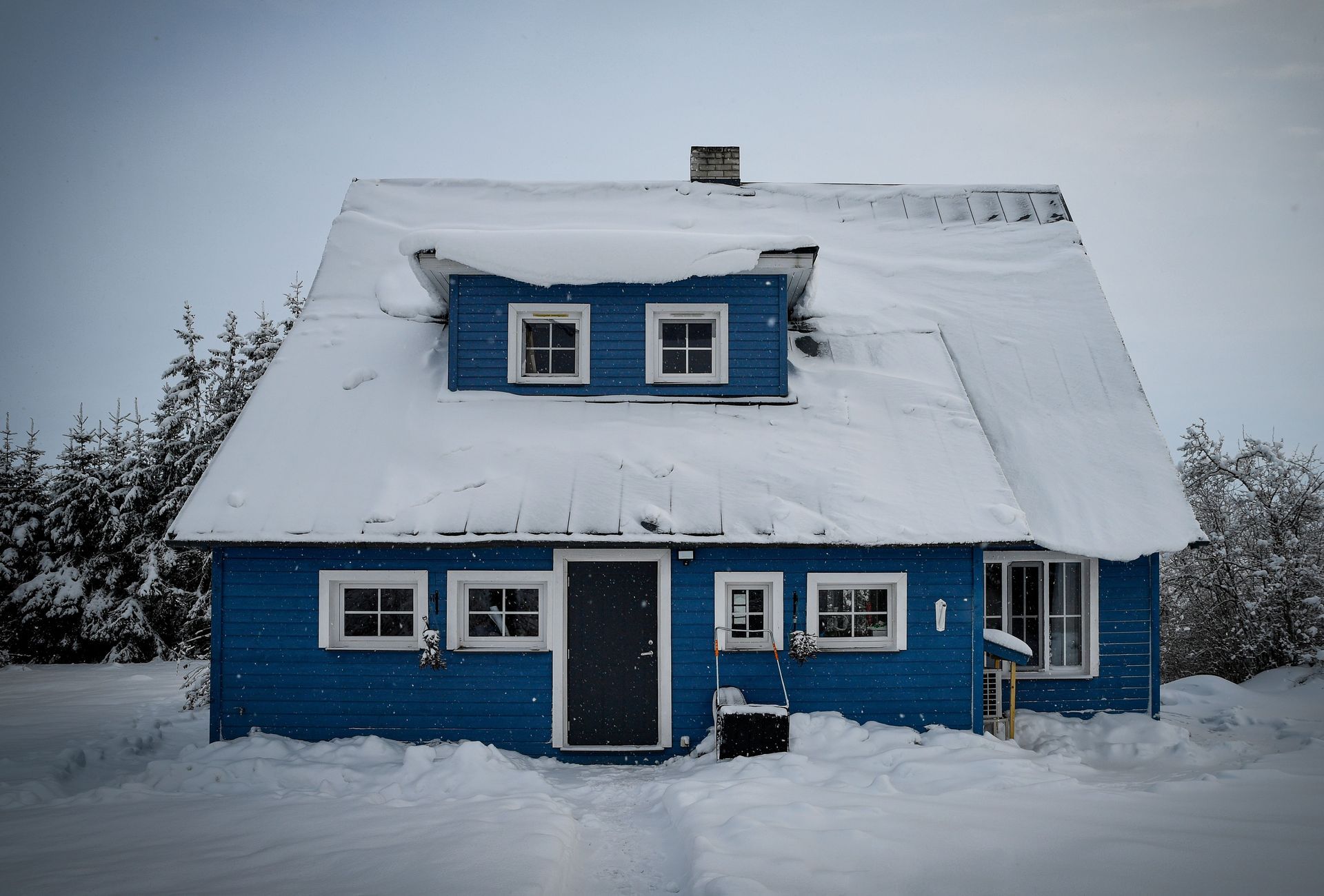
The end of the year is a natural checkpoint for anyone who owns rental property in North Dakota. The snow is here, the holidays are coming, and tax season is closer than it feels. Taking a few hours now to work through this list can save you headaches (and money) in the new year.
1. Review every lease that expires in the first quarter
Pull up your leases and flag anything ending between January and March. Winter is the hardest time to fill a vacancy in Minot, Bismarck, or Jamestown, since fewer people move when it's below zero. If you have good tenants coming up on renewal, reach out early with a renewal offer. A small incentive to re-sign in December is almost always cheaper than a month of vacancy in February.
2. Confirm your rent is where it should be
Compare your current rents to similar units in your area. North Dakota's rental market shifts year to year depending on the local economy, and it's common for long-term tenants to drift below market without anyone noticing. If an increase makes sense, most leases and state law require proper written notice, so plan ahead rather than springing it on a tenant at renewal.
3. Walk the property before the deep freeze sets in
Even if you already did fall maintenance, a December walkthrough catches what got missed:
- Furnace filters changed and the system running cleanly
- Heat tape and exposed pipes checked in crawl spaces, garages, and exterior walls
- Downspouts and roof edges clear so ice dams don't form
- Smoke and CO detectors tested (and batteries replaced)
- Snow removal plan confirmed, whether that's a contractor, a tenant agreement, or you
Frozen pipes are one of the most expensive and most preventable claims a landlord in our climate will ever face.
4. Remind tenants of their winter responsibilities
A short note to residents goes a long way: keep the heat at a minimum setting even when traveling, report drips or cold spots right away, and let you know if they'll be gone over the holidays. Putting it in writing also protects you if a tenant's negligence causes damage.
5. Get your records in order for taxes
Gather receipts for repairs, mileage, insurance premiums, property taxes, management fees, and any capital improvements made this year. Separate repairs (deductible now) from improvements (depreciated over time); your accountant will thank you. If you've been tracking expenses in a shoebox, this is the year to move them into a spreadsheet or management software.
6. Review your insurance coverage
Replacement costs have climbed. Make sure your policy's dwelling coverage reflects what it would actually cost to rebuild today, and confirm you have landlord liability coverage rather than a standard homeowner policy. If you require renter's insurance in your leases, ask tenants for updated proof.
7. Decide how much of this you want to keep doing yourself
Be honest about the past year. Did maintenance calls come at the worst times? Did a vacancy sit longer than it should have? Did you dread the bookkeeping? Many owners reach a point where the math favors professional management: steady rent collection, vetted contractors, faster turnovers, and someone else answering the phone when a pipe bursts at 2 a.m. on a holiday weekend.
Start the new year ahead
Whether you manage one duplex or a portfolio of units, a little attention in December sets up a smoother year. And if the checklist above feels like more than you want to carry, New Horizon Property Management works with owners across Minot, Bismarck, and Jamestown to handle the details so the property stays an investment instead of a second job. Reach out anytime for a conversation about what hands-off ownership could look like for you.
You might also like
Bismarck vs. Fargo: Where is the Best ROI for Rental Investors in 2026?